




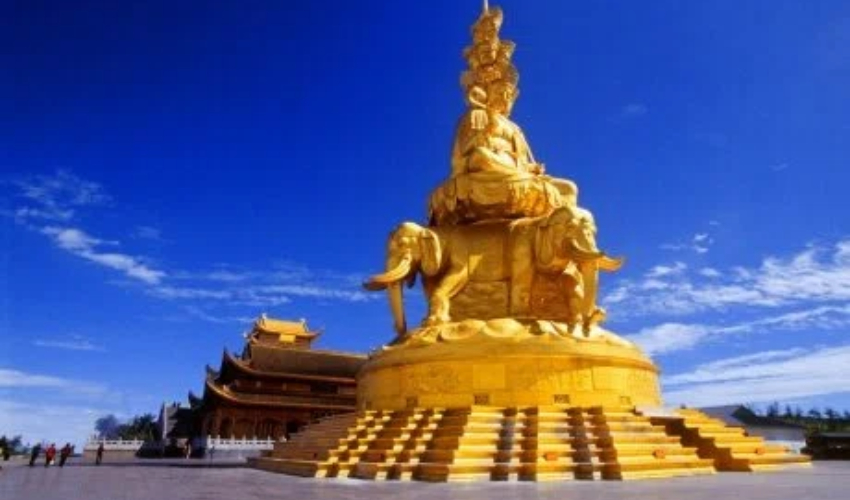
Best Months to Visit Mount Emei: Unlock a “Four-Season Adventure with Unique Experiences”
“Can you only see snow in winter at Mount Emei?” “Will it be too crowded if I visit during peak season?” Many travelers planning a trip to Mount Emei often focus only on “winter skiing or spring flower viewing” or worry about choosing the wrong time, facing heavy rain or crowds, and missing the mountain’s true charm. In fact, Mount Emei offers stunning scenery in all four seasons—spring brings blooming rhododendrons, summer offers cool misty trails, autumn paints the paths with colorful forests, and winter transforms it into a snowy fairyland. The key is choosing the right months and following a precise travel guide to avoid pitfalls and fully enjoy your trip!
This guide helps you understand the highlights and cautions for each month, with seasonal route planning, travel tips, and local food recommendations. Whether you want to hike, witness sunrise and sea of clouds, or enjoy a family-friendly trip, you can find the best time and experience for yourself.
Spring (March–May): Blooming Rhododendrons and Cool Mountain Air
For those visiting Mount Emei in spring, the rhododendrons bloom gradually from lower to higher elevations. Mid-April to early May is the peak blooming period at the Golden Summit. Hillsides are covered in pink, purple, and white flowers, with occasional mist drifting around, creating a fairyland-like atmosphere.
Rainfall is not uncommon, especially in May, so bring a lightweight rain jacket instead of an umbrella—strong mountain winds can make umbrellas unsafe. This period sees fewer tourists, with moderate ticket and accommodation prices, ideal for travelers who want a “flower viewing + tranquility” experience. A 2-3 day itinerary allows you to explore low-elevation sites like Qingyin Pavilion and Wannian Temple, as well as the Golden Summit for rhododendron views.
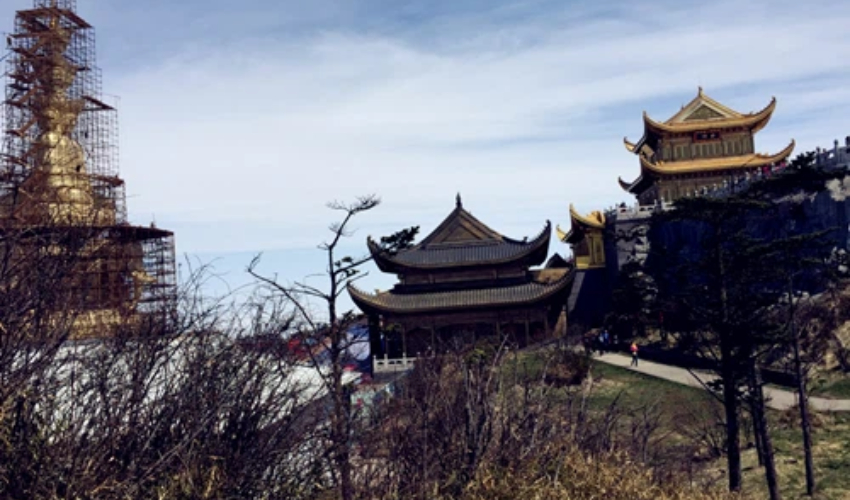
Summer (June–August): Cool Escapes and Misty Mountains
Summer is perfect for escaping the heat. Lower areas (Qingyin Pavilion, Yixiantian) at 800–1500 meters have average temperatures around 22°C. Walking along forest trails, cool mist from streams makes the climate more refreshing than air conditioning.
However, July and August are school holidays and peak season, so accommodation near the Golden Summit can rise from 200–300 CNY per night to 400–600 CNY on weekends and holidays. Book 1-2 weeks in advance. Even in summer, the summit at 3077 meters is cooler, with a 10°C temperature difference between day and night. Non-weekend visits are recommended to avoid crowds. Highlights include the ecological monkey area and Qingyin Pavilion; stay at a mid-mountain guesthouse near Wannian Temple and enjoy morning mist with temple bells.
Autumn (September–November): Colorful Forests and Sea of Clouds
Autumn is when Mount Emei’s forests turn golden and red. From late September, trees above 2000 meters start changing color. By mid to late October, the foliage is at its peak along the trail from Leidongping to the Golden Summit, providing incredible photo opportunities. Fewer rainy days and clear skies make sunrise and sea of clouds more likely.
Arrive at the Golden Summit around 5:30 a.m. to secure a good spot, and watch the sun rise over Gongga Snow Mountain, illuminating the sea of clouds and the Samantabhadra statue. By November, frost begins forming, making paths slippery—wear anti-slip shoes and dress in layers. You can even rent a down jacket at the summit for 50 CNY if you don’t want to carry extra gear.
Winter (December–February): Snowy Wonderland and Skiing Fun
Winter transforms Mount Emei into a snowy fairyland. Frost decorates branches, paths are snow-covered, and the Golden Summit shines with snow and gold. Skiing at Leidongping Ski Resort is popular, offering beginner slopes suitable for families and first-timers. Ski equipment rental costs around 80 CNY per hour for a full set.
Winter travel requires attention: 1) Check for closures of high-altitude routes due to snow; 2) Summit shuttle services may have limits, so start early to avoid long queues; 3) Summit temperatures can drop below -10°C, so bring hand warmers and a power bank.
Route Planning Based on Time
1-Day: Essence route from Baoguo Temple → Leidongping → Golden Summit. Use sightseeing buses and cable cars; focus on the Golden Summit sunrise and Samantabhadra statue. Stay near Baoguo Temple and enjoy local cuisine.
2-Day: Day 1: Baoguo Temple → Qingyin Pavilion → Wannian Temple; overnight at a mid-mountain guesthouse. Day 2: Early morning Golden Summit sunrise, then descend.
3-Day: Ideal for pilgrims and hikers. Baoguo Temple → Qingyin Pavilion → Hongchunping → Xixiangchi → Golden Summit, with overnight stays at temples. Experience “scenery at every step” and deep spiritual immersion.
Local Tips
Avoid buying expensive snacks in the scenic area; try local delicacies near Baoguo Temple, such as Emei tofu pudding with crispy meat, cakes, or cured pork hotpot (30–50 CNY per person).
Don’t provoke monkeys and keep food hidden; anti-monkey sticks are available for 10 CNY.
For panoramic photos of the Golden Summit, step toward Sheshen Cliff for fewer crowds and a wider view, especially after sunrise when the sea of clouds disperses.
There is no “absolute best” month to visit Mount Emei. Spring flowers, summer coolness, autumn foliage, and winter snow each offer unique experiences. By choosing the time that suits your preferences and following this guide, you can avoid pitfalls and fully appreciate the “beauty under heaven” of this sacred mountain. Whether for a sunrise at the Golden Summit or a relaxing retreat, Mount Emei will not disappoint.
Plan your Mount Emei trip with confidence and convenience with Chengdu Travel Agency, your trusted partner for guided tours, scenic routes, local food recommendations, and unforgettable cultural experiences. Explore the natural beauty, spiritual landmarks, and seasonal highlights of Mount Emei with professional support for a seamless journey.

