




9-Day Sichuan–Tibet Northern Route Road Trip: Explore Culture, Wilderness & the Less-Traveled G317
For travelers who dream of discovering Tibet beyond the typical tourist routes, the Sichuan–Tibet Northern Route (G317) offers something rare—vast grasslands, ancient monasteries, remote villages, and deep Tibetan cultural heritage with far fewer crowds than the southern route. This 9-day self-drive adventure takes you from Chengdu across the wild beauty of western Sichuan and into the sacred lands of Nagqu and Chamdo.
If you prefer a hassle-free journey, our Chengdu-based travel agency offers customizable Sichuan Tibet tours, Chengdu to Lhasa overland itineraries, and private guided road trips suitable for international travelers.
Day 1: Chengdu → Dujiangyan → Barkam (300 km / 6 hrs)
Start early from Chengdu and drive along the Chengdu–Chongqing Expressway. Stop in Dujiangyan for an authentic Sichuan lunch—local families love dishes like spicy bean paste fish.
Continue toward Barkam along G317, passing through Yingxiu and Wenchuan with stunning river valleys and mountain scenery. Stay in a Tibetan-style guesthouse in Barkam. Most guesthouses here provide parking and heated rooms. Take an evening walk through Barkam’s old town to experience the unique Jiarong Tibetan culture.
Day 2: Barkam → Seda (Serthar) (200 km / 5 hrs)
Depart at 8 a.m. and stop in Guanyin Bridge town for a simple Tibetan lunch—hand-pulled noodles and butter tea.
Arrive in Seda and head directly to the renowned Larung Gar Buddhist Academy. Take the sightseeing shuttle to the mountaintop viewpoint where thousands of red monastic houses cover the valley like a sea of crimson. Sunset is especially breathtaking as the golden light washes over the hillside.
Stay overnight near Larung Gar. Most monasteries close to visitors after dark, so return before sunset.
Day 3: Seda → Ganzi (240 km / 6 hrs)
Enjoy a relaxing breakfast and then drive through high-altitude grasslands toward Ganzi. Stop in Luhuo for a Tibetan-style meal—yak meat rice bowl is warm and filling.
Arrive in Ganzi and visit Garze Monastery, known for its golden rooftops and exquisite statues and murals. Spend the night in a local Tibetan homestay where the host may prepare butter tea and share stories about the region’s traditions.
Day 4: Ganzi → Dege (300 km / 7 hrs)
Depart early and follow G317 across the dramatic landscapes of Manigango and Chola Mountain. Chola peaks rise to over 6,100 meters, offering jaw-dropping vistas.
Have lunch in Manigango—simple lamb soup is the go-to.
In the afternoon, arrive in Dege and explore the famous Dege Printing House, one of the three great printing houses of Tibetan Buddhism. Watch artisans hand-carve wooden printing blocks and print scriptures using century-old techniques.
Stay in a quiet guesthouse near the printing house.
Day 5: Dege → Chamdo (350 km / 8 hrs)
Head toward Chamdo, stopping in Jiangda County for Sichuan-style dishes—spicy flavors help combat altitude fatigue for some travelers.
After entering Tibet, pass through the Chamdo checkpoint where passports and border permits are required. Stay in the city center for convenient access to eateries and the Chamdo Jampaling Monastery.
Day 6: Chamdo → Leiwuqi (100 km / 2 hrs)
A short driving day. Visit Leiwuqi Monastery, one of the major religious centers in northern Tibet with rare artifacts and beautifully preserved murals.
Have a local-style lunch—tsampa and butter tea—then spend the afternoon exploring the Leiwuqi grasslands. Expect herds of yaks, blooming wildflowers, and peaceful open spaces.
Stay in a grassland homestay where stargazing at night is spectacular due to the high altitude and low light pollution.
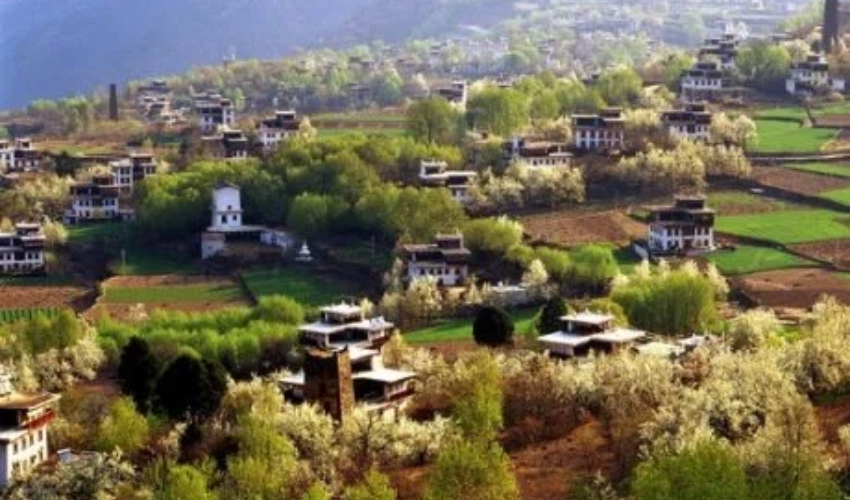
Day 7: Leiwuqi → Nagqu (400 km / 8 hrs)
Drive through remote towns such as Dingqing and Baqing, experiencing the rugged charm of the northern Tibetan plateau. Stop in Dingqing for lunch—Tibetan pork fried rice is a regional specialty.
Cross the windswept Ga’ersi Mountain (4,659 m). Dress warmly—it’s common to encounter strong winds even in summer.
Arrive in Nagqu and stay at a local guesthouse. Many provide oxygen supplies for travelers adjusting to altitude.
Day 8: Nagqu → Namtso Lake (220 km / 5 hrs)
Head toward Namtso, one of Tibet’s most beautiful holy lakes. Driving along the lakeside road, you’ll be greeted by crystal-blue water and snow-covered Nyenchen Tanglha peaks.
Have a simple Tibetan lunch in a local tent—yak jerky and barley pancakes. In the afternoon, stop at quieter viewpoints for photography, especially the rocky shores away from the main crowds.
Stay overnight at a lakeside guesthouse. Facilities are basic, but the sunrise and starry sky are extraordinary.
Day 9: Namtso → Lhasa (220 km / 5 hrs)
Return to Lhasa via the G6 highway. Enjoy lunch in Damxung. Arrive in Lhasa around 2 p.m. Check into a guesthouse near the Potala Palace or Barkhor Street for shopping and relaxation.
This marks the end of your G317 Northern Route journey—an unforgettable blend of culture, landscape, and Tibetan spirituality.
Self-Drive Travel Tips for the Northern Route
Road conditions vary—some sections have gravel, potholes, or muddy surfaces. A high-clearance SUV is recommended.
Stock up on water and high-calorie snacks; service areas are sparse.
Altitude sickness is more common here than on the southern route. Prepare oxygen bottles and medication.
Respect local customs. Remove hats when entering monasteries, keep quiet, and avoid photographing monks or statues without permission.
Conclusion: Explore Tibet the Meaningful Way
The Sichuan–Tibet Northern Route is perfect for travelers who crave authenticity, culture, and untouched scenery. Whether you’re into photography, Tibetan history, or off-the-beaten-path road trips, this journey will stay with you for life.
If you prefer a guided and safe experience, our Chengdu travel agency offers Sichuan Tibet overland tours, Tibetan cultural trips, private drivers, car rental with permits, and customized itineraries tailored for international visitors. We help with border permits, accommodations, and high-altitude planning so you can enjoy the adventure worry-free.

