




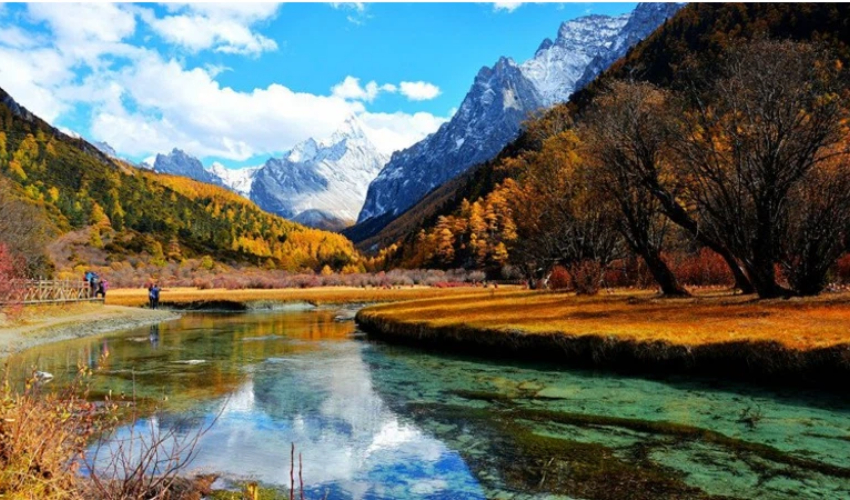
15-Day Sichuan–Tibet Highway Self-Drive Tour: A Slow Travel Journey Through the Best of Tibet
For travelers who truly want to experience the legendary Sichuan–Tibet Highway, 15 days is the perfect amount of time. Unlike rushed itineraries, this deep exploration route allows you to slow down, discover hidden landscapes, immerse yourself in Tibetan culture, and fully enjoy the spiritual beauty of western China.
This extended 318 Sichuan–Tibet road trip is ideal for travelers searching for a Tibet overland adventure from Chengdu, western China self-drive itinerary, scenic Tibet photography tour, or off-the-beaten-path Tibetan travel experience.
With enough time to explore both the famous 318 Highway and lesser-known hidden routes, this itinerary combines glaciers, sacred lakes, snow mountains, Tibetan villages, monasteries, forests, and highland grasslands into one unforgettable journey.
For international travelers, joining a professional Chengdu travel agency can make the experience safer and more comfortable by assisting with Tibet permits, English-speaking guides, hotel reservations, vehicle support, and customized self-drive tour arrangements.
Why Choose a 15-Day Sichuan–Tibet Road Trip?
A longer itinerary allows you to:
- Drive at a relaxed pace
- Spend more time at scenic spots
- Explore hidden routes beyond the standard tourist path
- Adapt gradually to high altitude
- Experience authentic Tibetan culture more deeply
This journey is not just about reaching Lhasa — it is about enjoying every section of the legendary Sichuan–Tibet Highway.
Day 1: Chengdu → Ya’an → Kangding
Leave Chengdu and head toward Ya’an, famous for tea culture and misty mountain scenery. Along the way, stop at Bifeng Gorge if time allows before crossing Zheduo Mountain Pass.
Arrive in Kangding, where Tibetan and Han cultures meet. Explore local streets, try traditional Tibetan food, and enjoy the first taste of plateau culture.
Day 2: Kangding → Xinduqiao → Tagong Grassland → Yajiang
Drive through Xinduqiao, known as one of western China’s most photogenic landscapes.
Continue to Tagong Grassland, where travelers can admire Yala Snow Mountain, colorful prayer flags, Tibetan temples, and nomadic grasslands. Small Tibetan villages along the route offer excellent opportunities for cultural interaction and photography.
Overnight in Yajiang.
Day 3: Yajiang → Litang → Genie Eye → Batang
Today includes one of the hidden gems of western Sichuan: Genie Eye.
This remote alpine lake reflects surrounding snow mountains and is often described as the “Eye of the Earth.” Compared with crowded tourist attractions, the area remains peaceful and untouched.
Continue to Batang for overnight accommodation.
Day 4: Batang → Markam → Yanjing Salt Fields → Zuogong
Cross into Tibet and visit the ancient Yanjing Salt Fields, where local Tibetan families have produced salt using traditional methods for over a thousand years.
This cultural stop offers a rare opportunity to experience authentic Tibetan village life beyond the typical tourist route.
Stay overnight in Zuogong.
Day 5: Zuogong → Nujiang 72 Bends → Basu → Laigu Glacier
Drive through the famous Nujiang 72 Bends, one of the most iconic sections of the Sichuan–Tibet Highway.
Later, visit Laigu Glacier, considered by many travelers even more impressive and untouched than Midui Glacier. Massive ice formations, glacial lakes, and dramatic mountain scenery create an unforgettable landscape.
Overnight in Basu.
Day 6: Basu → Ranwu Lake → Bomi → Guxiang Lake
Enjoy a slower travel day exploring the peaceful beauty of Ranwu Lake and Guxiang Lake.
These alpine lakes are perfect for:
- Lakeside walks
- Photography
- Camping
- Relaxed nature experiences
Arrive in Bomi, often called the “Switzerland of Tibet” thanks to its forests and oxygen-rich environment.
Day 7: Bomi → Motuo Side Trip (Optional) → Bomi
For adventurous travelers, an optional side trip to Motuo is highly recommended.
Motuo was the last county in China connected by road and is famous for:
- Tropical rainforest scenery
- Deep canyons
- Waterfalls
- Unique biodiversity
This dramatic contrast between Tibetan plateau landscapes and subtropical forests makes Motuo one of Tibet’s most fascinating hidden destinations.
Return to Bomi overnight.
Day 8: Bomi → Lulang → Yarlung Tsangpo Grand Canyon → Nyingchi
Drive through the scenic forests of Lulang before visiting the Yarlung Tsangpo Grand Canyon.
This region offers one of the best viewpoints of Mount Namcha Barwa, often considered Tibet’s most beautiful snow mountain.
Arrive in Nyingchi for overnight stay.
Day 9: Nyingchi → Basum Tso → Gongbo Gyamda
Visit Basum Tso, one of Tibet’s sacred alpine lakes.
The emerald-green water surrounded by forests and snow mountains creates a peaceful atmosphere unlike anywhere else on the plateau.
Stay overnight in Gongbo Gyamda.
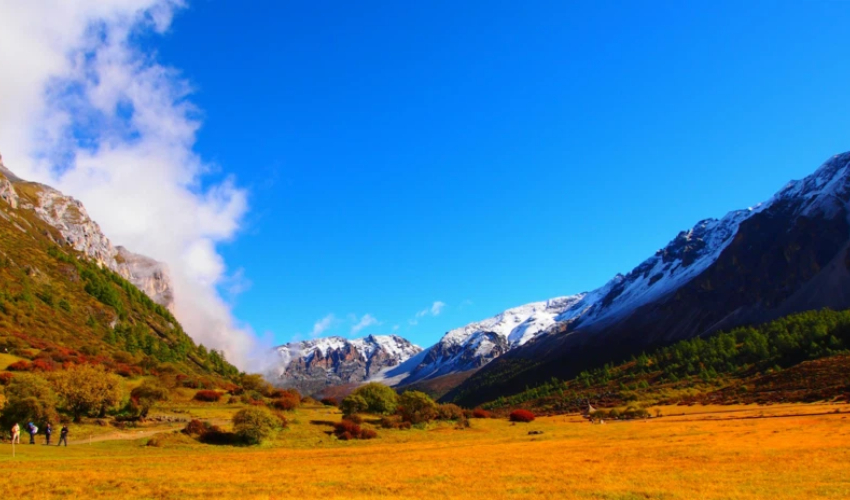
Day 10: Gongbo Gyamda → Mozhugongka → Lhasa
Arrive in Lhasa, the spiritual center of Tibet.
Spend the evening slowly exploring Barkhor Street, where Tibetan pilgrims circle Jokhang Temple while spinning prayer wheels and chanting mantras.
Day 11: Lhasa Cultural Exploration
Today focuses on Tibetan Buddhist culture.
Visit:
- Potala Palace
- Jokhang Temple
- Sera Monastery
Watching the monks debate philosophy at Sera Monastery is a fascinating cultural experience for international visitors.
Day 12: Lhasa → Yamdrok Lake → Lhasa
Take a day trip to Yamdrok Lake, one of Tibet’s three sacred lakes.
The brilliant turquoise water combined with surrounding snow mountains creates one of Tibet’s most iconic landscapes.
This is also a favorite location for drone photography and scenic road trip photography in Tibet.
Day 13: Lhasa → Namtso Lake → Damxung
Visit Namtso Lake, known as the “Heavenly Lake.”
At over 4,700 meters altitude, the lake reflects snow mountains and endless skies, creating an atmosphere of complete serenity.
Overnight in Damxung.
Day 14: Damxung → Nagqu → Chamdo → Batang
Begin the return journey while slowly crossing the vast grasslands of northern Tibet.
This route offers fewer tourists and a more authentic feeling of remote plateau life.
Overnight in Batang.
Day 15: Batang → Kangding → Chengdu
Drive back toward Chengdu, completing one of China’s most legendary overland journeys.
After 15 days on the road, travelers leave not only with photographs, but also with unforgettable memories of Tibetan landscapes, culture, and spiritual experiences.
Highlights of This 15-Day Tibet Road Trip
Main Route + Hidden Destinations
Unlike ordinary itineraries, this journey includes:
- Genie Eye
- Yanjing Salt Fields
- Laigu Glacier
- Motuo
- Yamdrok Lake
- Namtso Lake
Many of these locations are not included in standard Tibet tours.
Slow Travel Experience
Daily driving time remains comfortable, allowing plenty of time for:
- Photography
- Hiking
- Cultural interaction
- Relaxed exploration
Authentic Tibetan Culture
Travelers can:
- Visit Tibetan villages
- Explore monasteries
- Taste traditional Tibetan cuisine
- Learn local customs and beliefs
Better Altitude Adaptation
Several lower-altitude stops help travelers gradually adjust, greatly reducing the risk of altitude sickness.
Important Tips for International Travelers
Before starting your Tibet self-drive adventure:
- Arrange Tibet Travel Permits in advance
- A 4WD or SUV is strongly recommended
- Respect local Tibetan customs and religious traditions
- Avoid littering in fragile alpine environments
- Carry warm clothing, even in summer
- Download offline maps and translation apps
- Prepare for limited mobile signal in remote areas
For foreign visitors unfamiliar with western China road conditions, working with a trusted Chengdu travel agency provides valuable support including:
- Tibet permit handling
- English-speaking local guides
- Self-drive vehicle rentals
- Emergency assistance
- Accommodation booking
- Customized Tibet overland tours
Conclusion
A 15-day Sichuan–Tibet Highway journey is far more than a road trip. It is a deep exploration of mountains, lakes, glaciers, Tibetan spirituality, and remote landscapes that feel untouched by time.
Instead of rushing between attractions, this slow travel itinerary allows you to truly connect with the Tibetan plateau — sitting quietly beside sacred lakes, watching prayer flags move in the wind, and experiencing the peaceful rhythm of highland life.
For travelers seeking one of the world’s greatest overland adventures, this 15-day Chengdu to Lhasa road trip offers an unforgettable journey through the soul of Tibet.

