




Tibet Travel Guide 2025: Attractions, Routes, and Practical Tips
Tibet, known as the “Roof of the World,” is a land of mystique and majesty, attracting travelers with its breathtaking landscapes, rich religious culture, and unique highland charm. From snowy peaks and sacred lakes to historic sites and winding high-altitude roads, every corner invites exploration. Whether you are searching for Tibet self-driving tours, Tibet photography routes, or high-altitude lake travel guides, this comprehensive Tibet travel guide has you covered. Chengdu Travel Agency offers customized tours, local expertise, and transport support to make your trip smooth and unforgettable.
Key Tibet Attractions at a Glance
Lhasa (Altitude 3,650m)
Potala Palace (¥200): Iconic landmark, UNESCO World Heritage Site, sacred center of Tibetan Buddhism.
Jokhang Temple (¥85): Pilgrims’ ultimate destination; houses the 12-year-old Sakyamuni statue.
Barkhor Street (Free): The soul of Lhasa, perfect for exploring local culture and street life.
Namtso Lake (¥120/¥60): One of Tibet’s three sacred lakes, ideal for highland lake photography.
Nyingchi (Altitude 3,100m)
Yarlung Tsangpo Grand Canyon (¥240): The world’s deepest canyon; view Namcha Barwa Peak (7,782m).
Basong Cuo Lake (¥170): Hidden gem of Eastern Tibet; turquoise waters and snow-capped mountains.
Rulang Forest (Free): Known as the “Oriental Switzerland,” combining forests, pastures, and Tibetan villages.
Shigatse (Altitude 3,836m)
Tashilhunpo Monastery (¥80): Historic seat of Panchen Lamas; grand halls and prayer paths inspire awe.
Everest Base Camp (Altitude 5,200m): Experience the world’s highest peak; great for Tibet snow mountain trekking.
Ngari Region
Mount Kailash (Altitude 6,656m): Sacred peak; circumambulation is a once-in-a-lifetime pilgrimage.
Guge Kingdom Ruins (Altitude 3,800m): Ancient desert ruins with centuries of history.
Sacred Lakes and Glaciers
Yamdrok Lake (¥60): Turquoise lake winding through mountains; called “Goddess’ turquoise earrings.”
Midui Glacier (¥50/¥20): One of China’s most beautiful glaciers, ideal for Tibet glacier trekking.
Karola Glacier (Altitude 5,560m): Close to the road; filming site for “Red River Valley.”
Six Classic Travel Routes
Nyingchi Natural Scenery Route
Route: Basong Cuo → Rulang Forest → Ranwu Lake → Midui Glacier → Yarlung Tsangpo → Suosong Village
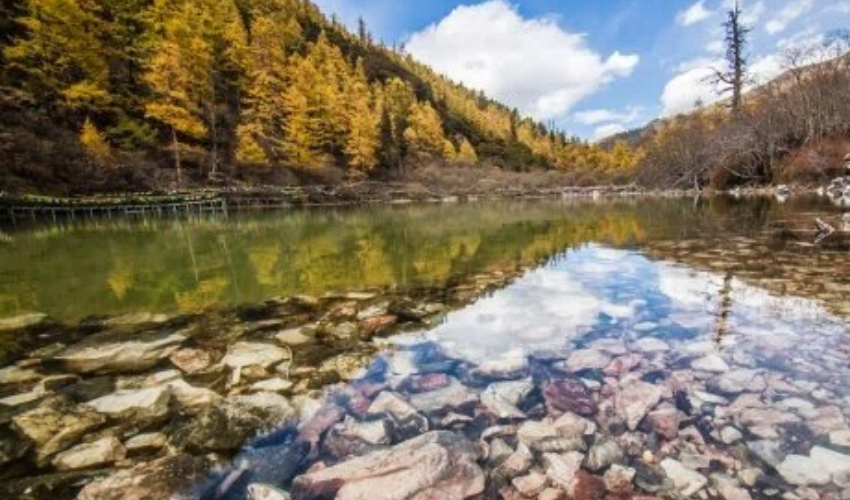
Highlights: Lower altitude, higher oxygen; spring peach blossoms, autumn colorful forests. Ideal for first-time Tibet tours.
Panoramic Depth Loop
Route: Kading Valley → Yamdrok Lake → Karola Glacier → Everest Base Camp → Northern Tibet Grasslands → Namtso
Highlights: Sacred lakes, glaciers, Everest, and grasslands; perfect for Tibet photography itineraries.
Everest Challenge Route
Route: Yamdrok Lake → Everest Base Camp → Nimu Grasslands → Namtso → Tashilhunpo Monastery → Hot Springs
Highlights: Extreme adventures for Himalaya trekking enthusiasts.
Ngari Pilgrimage Route
Route: Yamdrok Lake → Tashilhunpo → Everest Base Camp → Mapam Yumco → Mount Kailash → Guge Kingdom
Highlights: Sacred mountains, remote drives, stargazing photography; true “Tibet cultural pilgrimage route.”
Xinjiang-Tibet Highway Crossing
Route: Yamdrok Lake → Zhada Danxia → Guge Kingdom → Shiquanhe → Ritu Rock Art → Yecheng → Kashgar
Highlights: G219 National Highway; Tibet high-altitude road trip, desert and civilization merge.
Qinghai-Tibet Cultural Road
Route: Yangbajing → Namtso → Tanggula Pass → Hoh Xil → Chaka Salt Lake → Qinghai Lake
Highlights: Perfect for road trip lovers who want natural and cultural experiences on the Qinghai-Tibet Plateau.
Travel Tips
High Altitude Adaptation:
Arrive first in lower-altitude areas like Nyingchi; avoid strenuous activity initially.
Bring glucose, oxygen cylinders, and warm clothing; protect from cold and sun.
Tickets and Transportation:
Some attractions have peak/off-season pricing (e.g., Namtso ¥120/¥60).
Tibet is vast and sparsely populated; car rentals, guided tours, or Tibet local tour packages are recommended. Self-driving requires experience on highland roads.
Best Season to Travel:
May–October is peak season; July–August sees rain in Nyingchi.
Ngari/Everest areas are ideal in September–October.
Cultural Etiquette:
No photography inside temples. Circumambulate prayer wheels clockwise.
Avoid pointing at sacred mountains or Buddha statues.
Tibet’s beauty lies in its purity and extremity. Whether you’re on a Tibet cultural pilgrimage, chasing snow-capped peaks, photographing highland lakes, or enjoying a Tibet self-driving adventure, this land leaves unforgettable memories. Prepare your itinerary, respect local customs, and let Chengdu Travel Agency help you craft a safe, smooth, and memorable journey into the heart of Tibet.

